Craftsmanship, By the Detail
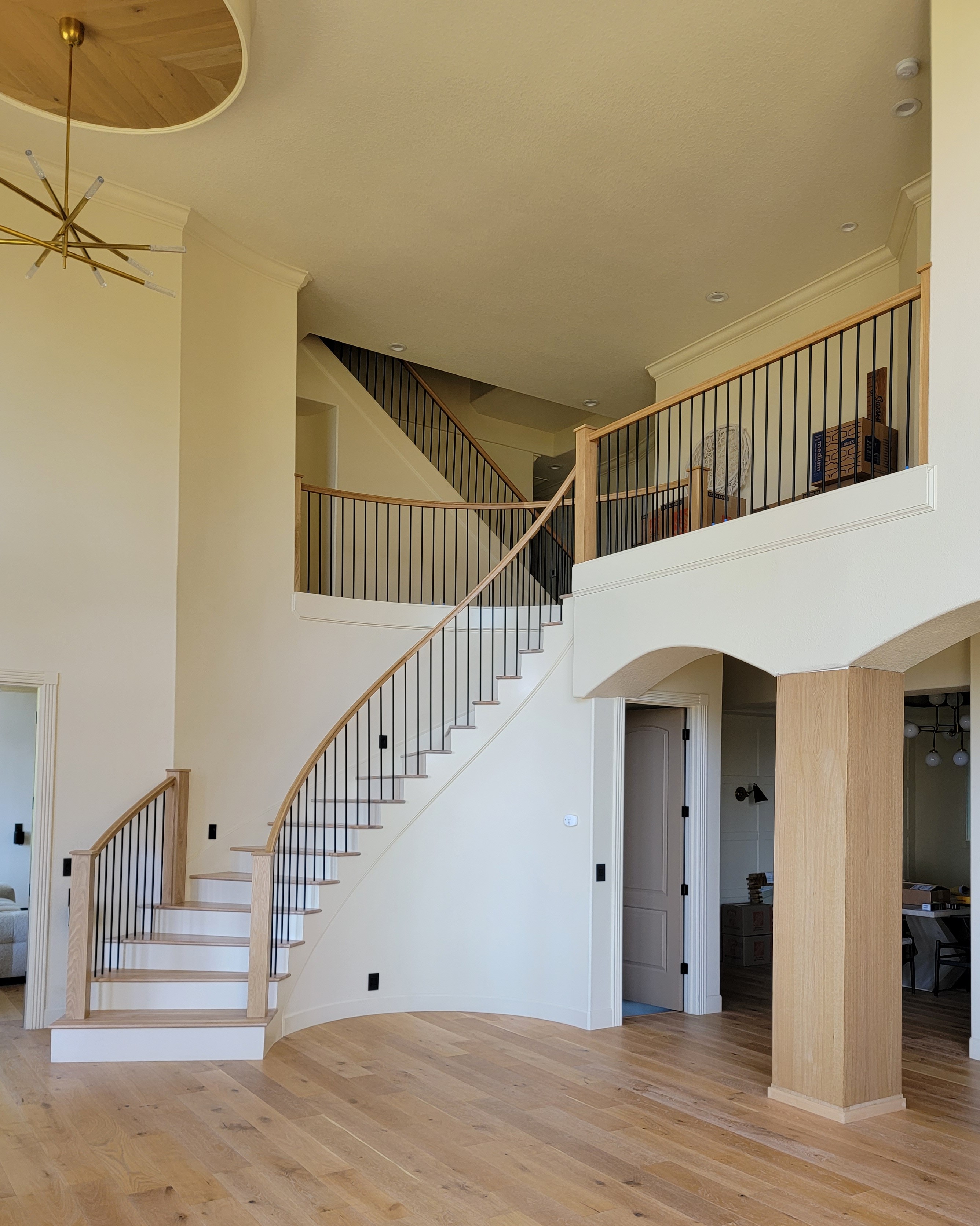
Every staircase we build reflects a specific style and skill set. See how we approach curves, cables, open spaces, and closed staircases — all under one roof.
At Staircrafters, Inc., no two staircases are built the same way. Every home has its own layout, its own light, and its own story, and the right staircase should answer to all three. Below, explore the techniques and materials we draw on to shape a staircase that’s uniquely yours.
How We Bring a Staircase to Life
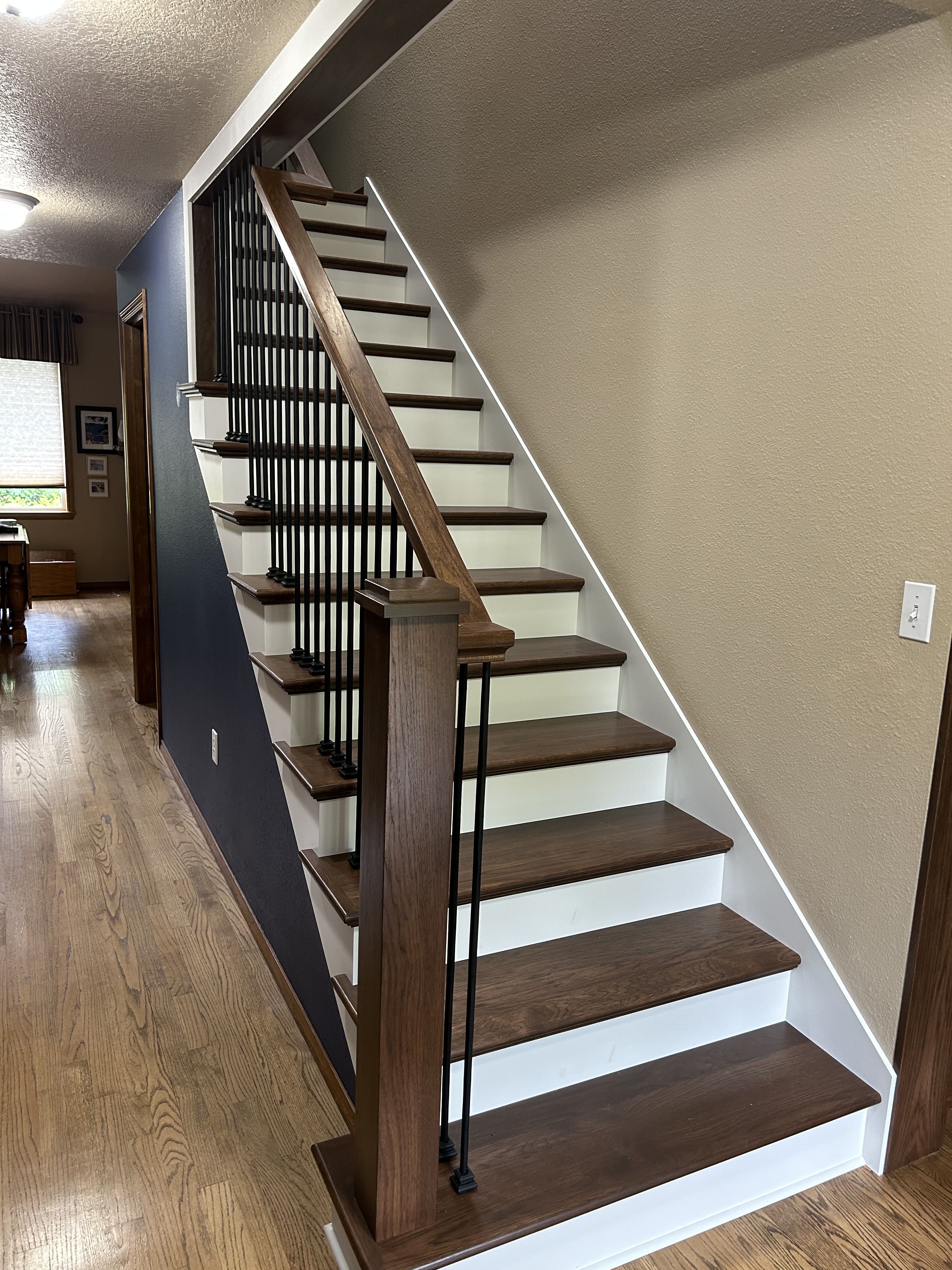
Whether you’re drawn to the sweep of a curved rail, the clean lines of cable railing, or a staircase that opens a room up rather than closing it off, our crew has built it, and built it well. Browse the styles below to see the craftsmanship behind each one.


Why These Details Matter
 The staircases featured on this page represent real projects completed in homes across the Pacific Northwest, from Vancouver to Camas to Seattle. Each one was designed, manufactured, and installed by our own crew, not a subcontractor brought in for the job. That distinction shows up in the details: a tread that’s perfectly level, a rail that curves without a single flat spot, a finish that matches the floor a room away.
Small choices add up to a very different staircase. A curved rail laminated and bent by hand behaves differently than one pieced together from straight sections. Stainless steel cable reads as modern and open, while a hand finished Hickory or Walnut post reads as warm and traditional. Removing a pony wall to open a staircase up changes how light and sound move through an entire home, not just the stairwell. None of these are cosmetic decisions. They’re structural and material choices that affect how the staircase looks, feels, and holds up for decades.
That’s why our process starts in the shop, not on site. Wood parts are milled, stained, and sealed before they ever reach your house, so the finish is consistent from tread to rail and installation goes faster. Our field crews then handle the framing, leveling, and code corrections that older staircases often need, especially in homes where the original structure predates current standards.
Browse the four categories below to see how these details play out in real projects. If a rail style, wood species, or open concept catches your eye, that’s a great place to start the conversation. We’ll walk your space, talk through what’s structurally possible, and build a plan around the staircase you actually want.
Frequently Asked Questions About Our Capabilities
Yes. We regularly work with flooring and cabinet contractors to match stain colors so new stair parts blend seamlessly with the rest of your home, rather than looking like an obvious addition.
Generally, yes. Curved rails require hand laminating and bending, which takes more shop time than straight sections. During your consultation, we’ll walk through the cost differences so there are no surprises before work begins.
In most cases, yes. Many older homes have staircases built before current code standards existed. Our crews regularly correct issues like tread height, handrail clearance, and structural support as part of a remodel.
You’re not locked into one style. Many of our projects blend elements, like removing an upper pony wall while keeping a closed lower section, or pairing cable railing with a solid wood post. We’ll design around what works for your space.
Cable and horizontal tubing railings create a more open, modern look and are popular for maximizing natural light. Traditional balusters, whether wood or iron, offer a more classic feel and often work better in period homes. Both are structurally sound; it comes down to the look you want.
As much or as little as you’d like. We handle design, manufacturing, and installation, but the final decisions on wood species, finish, and railing style are yours. We’ll check in at key milestones so nothing moves forward without your sign-off.

